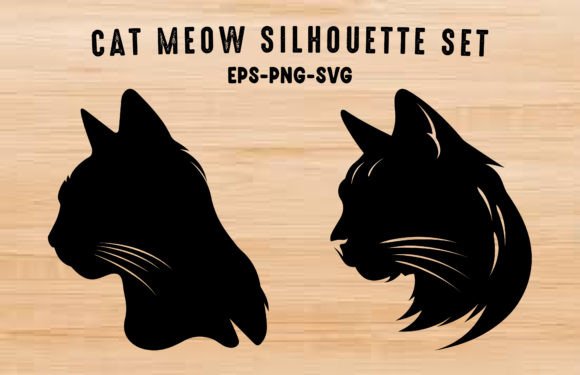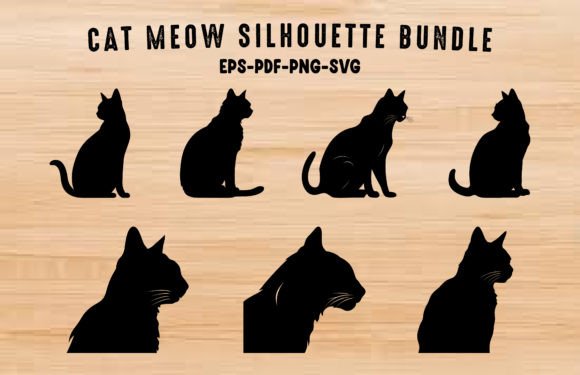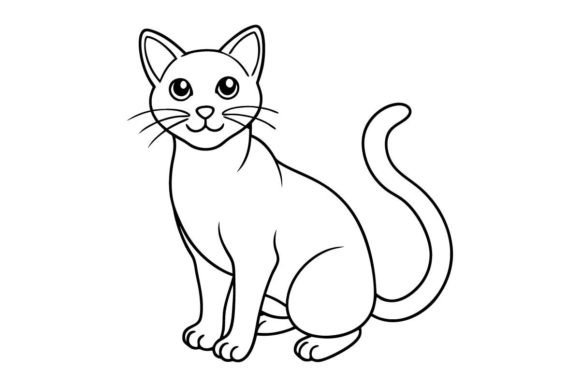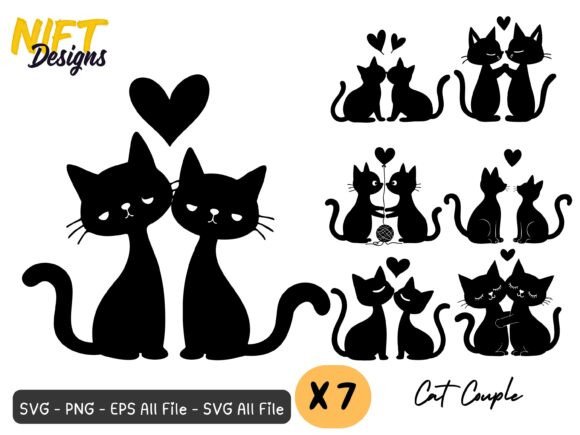
Cat ClipArt Cricut PNG DXF SVG Ai Review
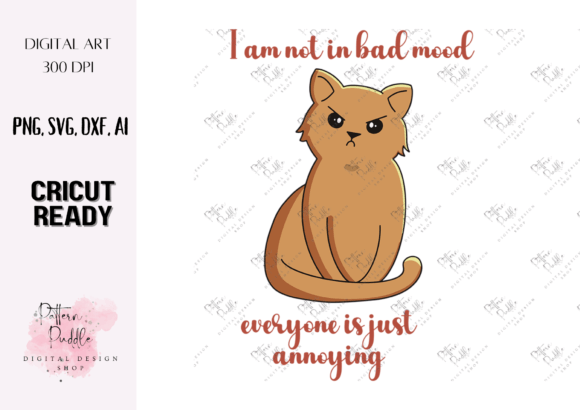
As a designer who has spent years stitching, cutting, and selling handmade goods, I approach every new digital asset with a mix of excitement and skepticism. The market is flooded with Illustrations and Graphics, but few are actually ready for the rigors of real-world production. Recently, I took a close look at the Cat ClipArt Cricut PNG DXF SVG Ai collection to see if it could survive the transition from a screen preview to a tangible, stitched product. Specifically, I was interested in the "Grumpy Cat" artwork described as having an irritable and cantankerous charm. Does that personality translate when transferred to fabric? Can a digital file truly capture the attitude of a sassy feline in thread?
The First Stitch: Mood and Visual Personality
The immediate impression of this design is its distinct character. In the world of embroidery, a flat image often loses its soul during digitization, but this piece seems to have a strong foundation. The grumpy expression creates an instant emotional hook that works exceptionally well for personalized gifts and boutique branding. Unlike generic cute animals that blend into the background, this design demands attention. It feels like the kind of project that would make a customer smile before they even read the tag.
When evaluating the layout and detail level, the design strikes a balance between readability and artistic flair. For a machine embroidery design, clarity is king. If the lines are too thin or the negative space is too tight, the threads will fight each other, resulting in a muddy mess. This particular embroidery file appears to rely on bold shapes that should hold up well under tension. The "irritable charm" isn't just a marketing phrase; it's a visual cue that tells the designer exactly where to focus the stitch density. It suggests a project that is less about delicate florals and more about statement-making attitude.
Real-World Application: From Screen to Tote Bag
To truly test the potential of the Cat ClipArt Cricut PNG DXF SVG Ai, I imagined a specific scenario: creating a custom embroidered tote bag for a local coffee shop client. The goal was to create a limited-run item for a holiday gift campaign. The design needed to be durable enough for daily use but stylish enough to stand out on a crowded Etsy listing.
I placed the design on a heavy canvas tote bag mockup. The contrast between the dark fabric and the lighter thread colors (which I assumed based on the standard palette) looked sharp. The grumpy cat face centered perfectly on the front panel. However, the true test is how it handles the texture of the material. Canvas is forgiving, but the edges of the design need to be clean. Because this is a digital embroidery file intended for various formats, the vector paths in the DXF and SVG versions likely offer the precision needed to cut applique pieces or guide the machine through complex curves without snagging.
This same design would translate beautifully to a sweatshirt embroidery project for a youth apparel line. The "sassy" vibe resonates strongly with younger demographics who appreciate humor in their clothing. Imagine a soft cotton fleece hoodie with this grumpy feline stitched over the heart. It transforms a basic garment into a conversation starter. For an Etsy seller or small business owner, this is the kind of versatile asset that allows you to pivot quickly from making aprons to creating nursery decor or baby clothes without needing to redesign everything from scratch.
Where to Use Caution: Fabric and Size Limitations
While the design has strong potential, no single asset is perfect for every situation. As an experienced reviewer, I must point out where this embroidery project might struggle. First, consider the hoop size. If you attempt to stitch this on a very small cap or a tiny baby bib, the fine details of the cat's expression might get lost in the stitching. Dense stitch areas can cause puckering on thin fabrics, so using the correct stabilizer is non-negotiable.
Textured fabrics present another challenge. While a rough linen might add character, it can obscure the definition of the eyes and mouth. Similarly, stretchy fabrics require careful hooping to prevent distortion. If you are planning to sell these items, you need to ensure the finished product looks professional, not warped. I also advise caution with dark fabrics unless you plan to use a high-density underlay or a contrasting thread color that pops against the background. A light gray thread on a black shirt might disappear entirely after washing.
Furthermore, while the file includes multiple formats, you must verify the stitch count and density settings provided by the creator. If the design relies heavily on satin stitch for the outline, ensure your machine can handle the turnarounds without breaking needles. For commercial embroidery, consistency is key. If one batch looks slightly different due to thread tension issues, it reflects poorly on your brand.
Design Notes for the Professional Maker
Before you upload this embroidery design to your machine and start producing, there are several practical steps you should take. Always test the design on scrap fabric first. This simple step saves time and money by revealing any issues with thread breaks or registration errors before you commit to a final product. Check the thread color contrast carefully; sometimes a file looks great in a digital mockup but fails in reality due to poor lighting or fabric sheen.
Review the stitch density to ensure it isn't too heavy for the chosen fabric. A lightweight t-shirt cannot support the same weight of thread as a denim jacket. Confirm your hoop size matches the dimensions of the design to avoid cropping out essential details. Inspect small details, especially around the ears and whiskers, to ensure they won't fray after repeated washing. It is also wise to test the design in black and white mockups to see if the value structure holds up without relying on color perception.
If you are using this for applique design work, check the cut lines in the DXF or SVG files to ensure they align perfectly with the embroidery path. For those selling on platforms like Etsy, remember to confirm licensing terms before offering these as part of a commercial product. Some digital assets allow personal use only, while others permit selling finished goods. Understanding these boundaries protects your craft business from legal headaches.
Final Verdict: A Solid Asset for Creative Entrepreneurs
The Cat ClipArt Cricut PNG DXF SVG Ai collection offers a compelling option for designers looking to add personality to their handmade products. Its unique "grumpy" theme fills a niche that is often overlooked in favor of overly sweet imagery. When executed correctly with proper stabilization and thread selection, this design can elevate a simple tote bag design or a holiday embroidery project into a premium item.
It serves as a reliable design asset for anyone from hobbyists to seasoned small shop product creators. The versatility across different file formats means you can adapt it for printing, cutting, or stitching with ease. Just remember that the success of the final piece lies in the execution. By following best practices—testing on scraps, choosing the right stabilizer, and respecting fabric limitations—you can turn this digital graphics collection into a profitable line of custom apparel and personalized gifts.
In conclusion, if you are looking to inject some sass into your next embroidery project, this design delivers on its promise. It is practical, visually engaging, and ready for the real world of production. With a little care and attention to detail, it can become a staple in your catalog of finished products.